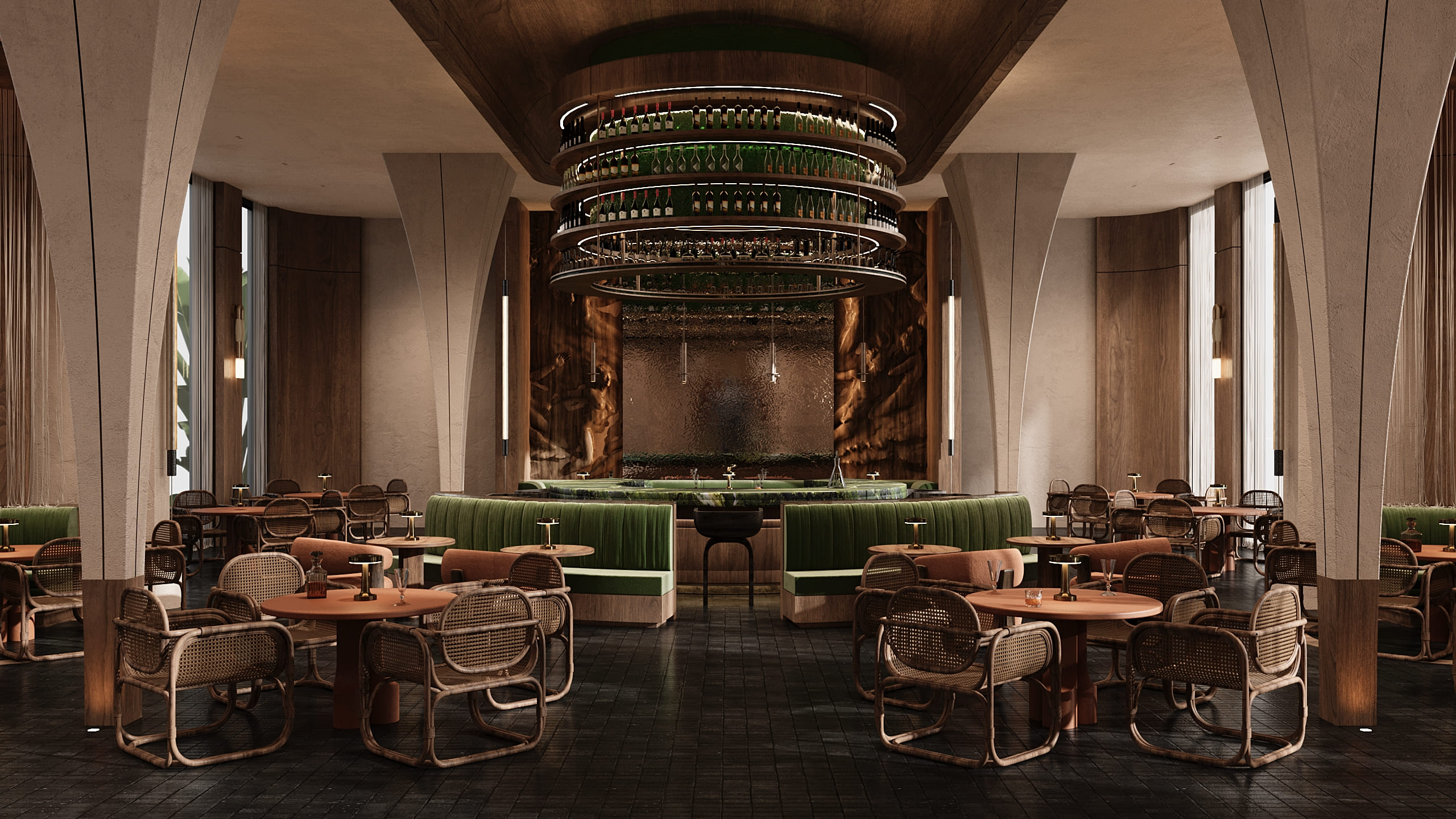
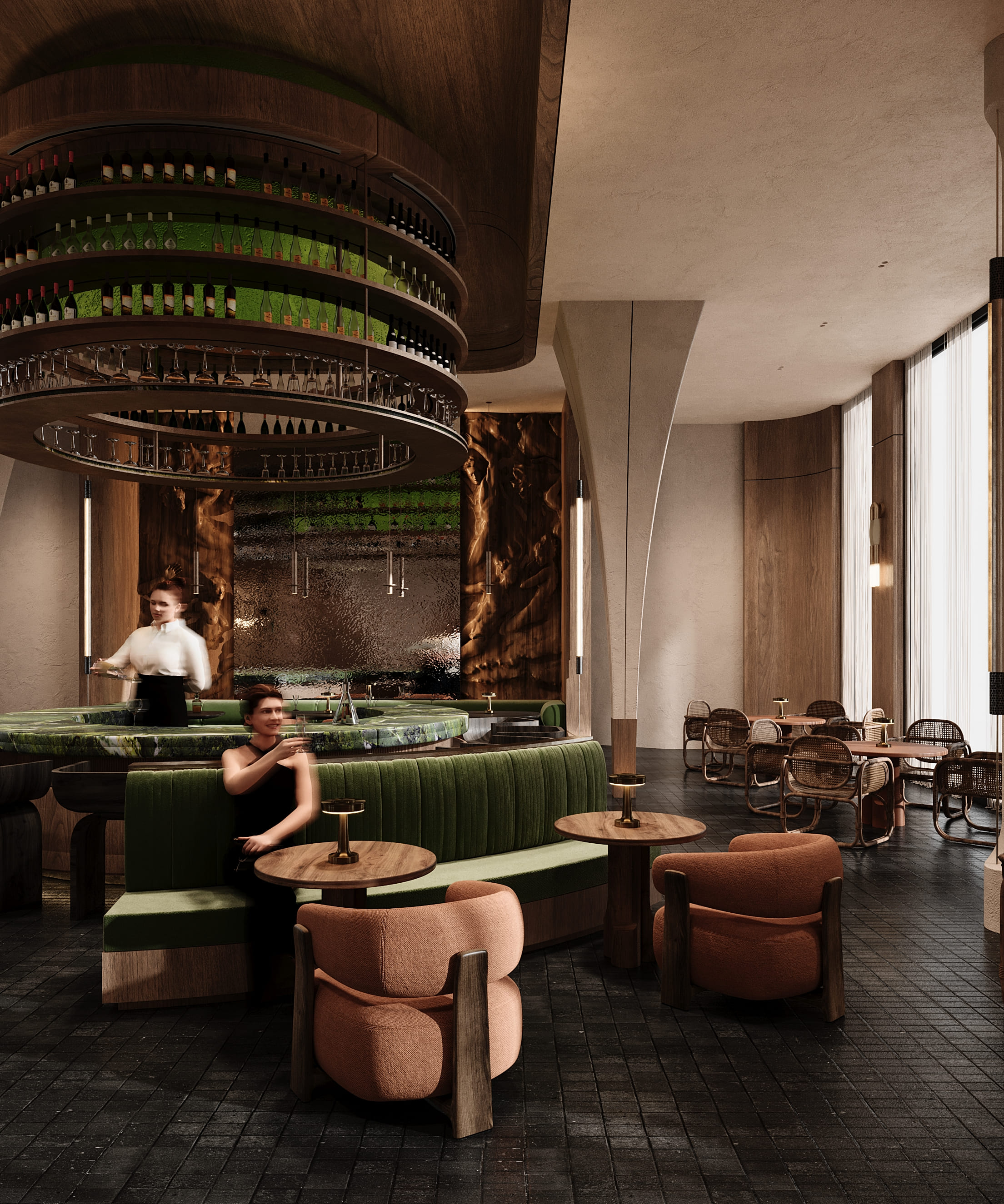
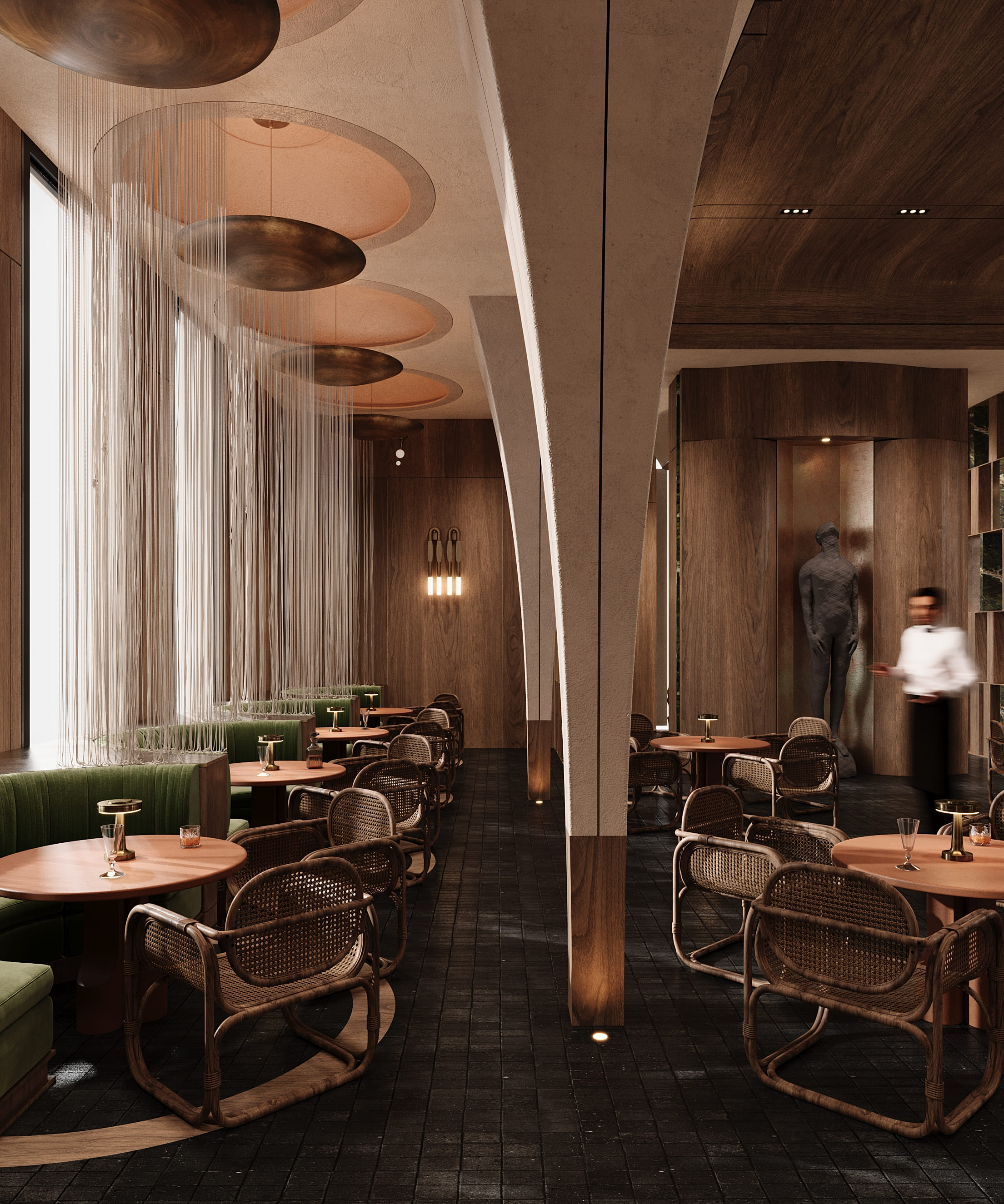
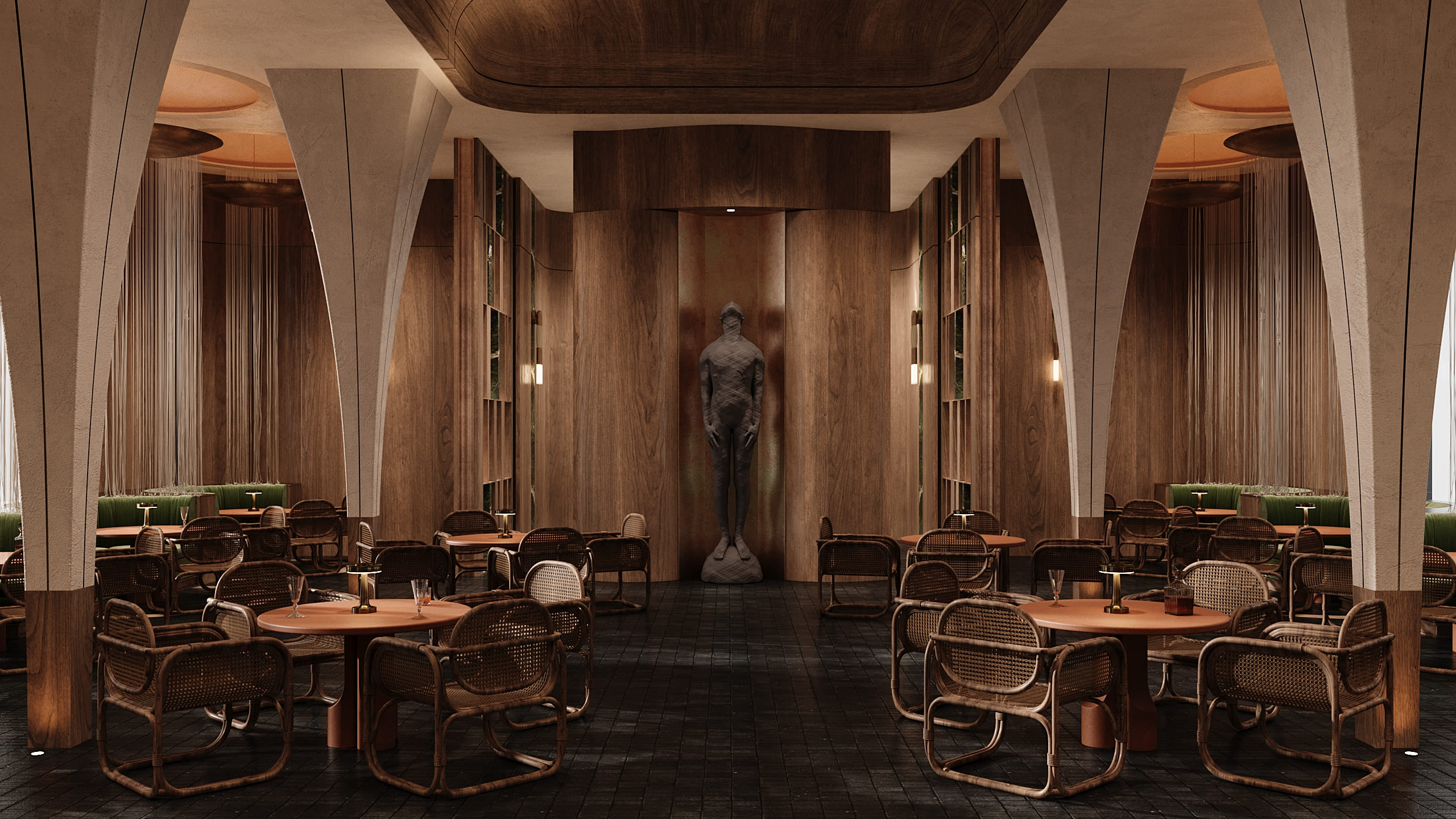
Breif
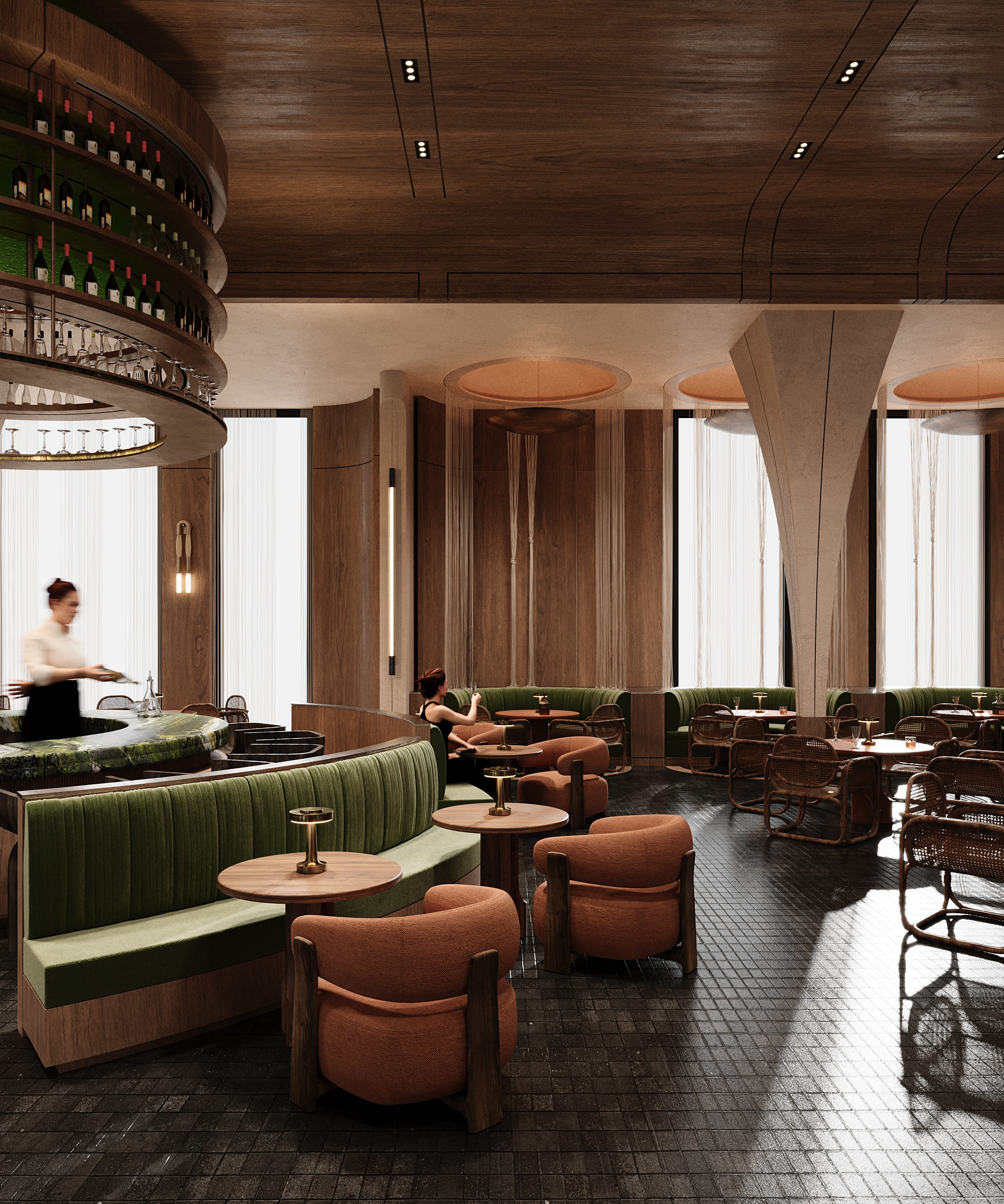
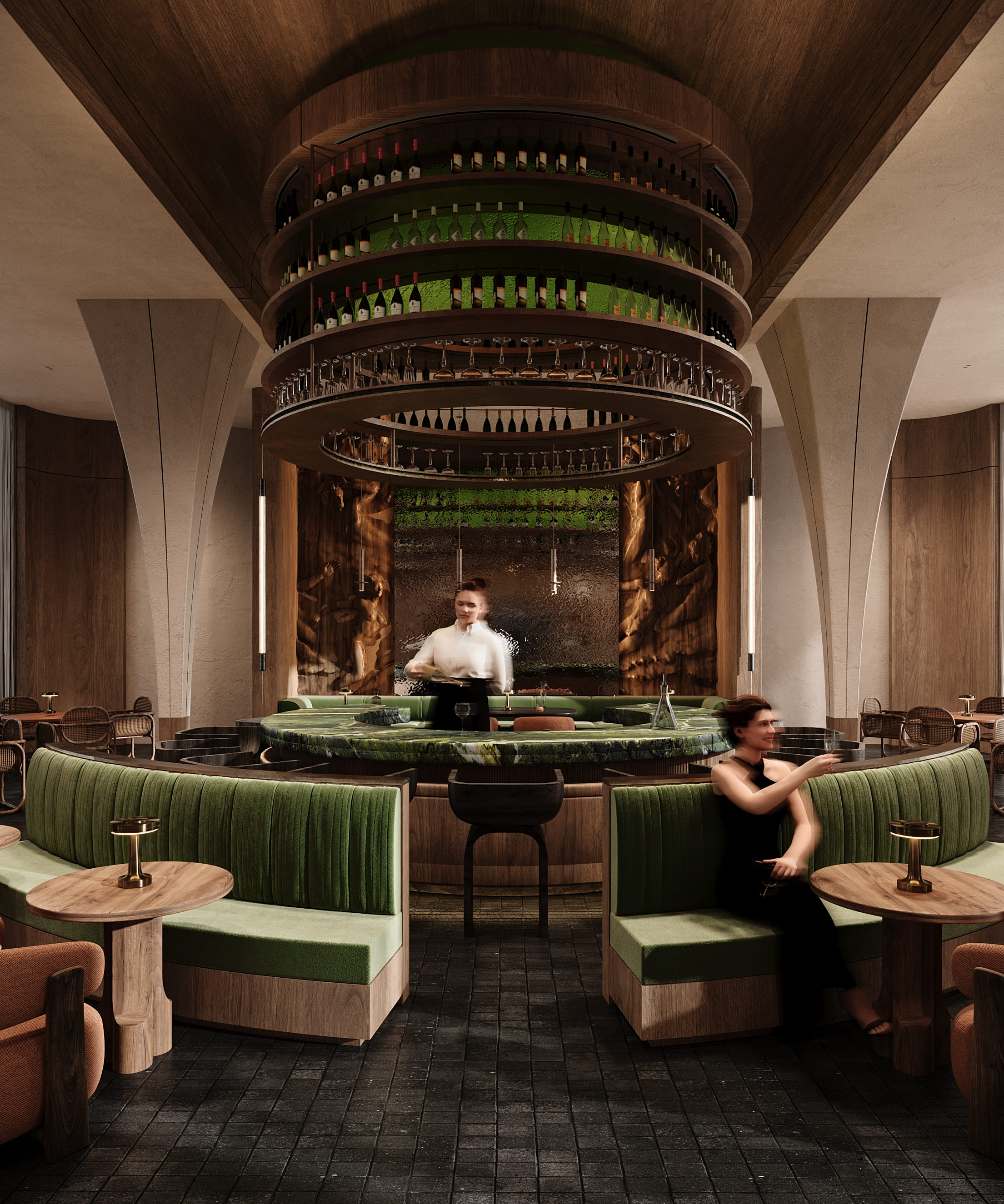
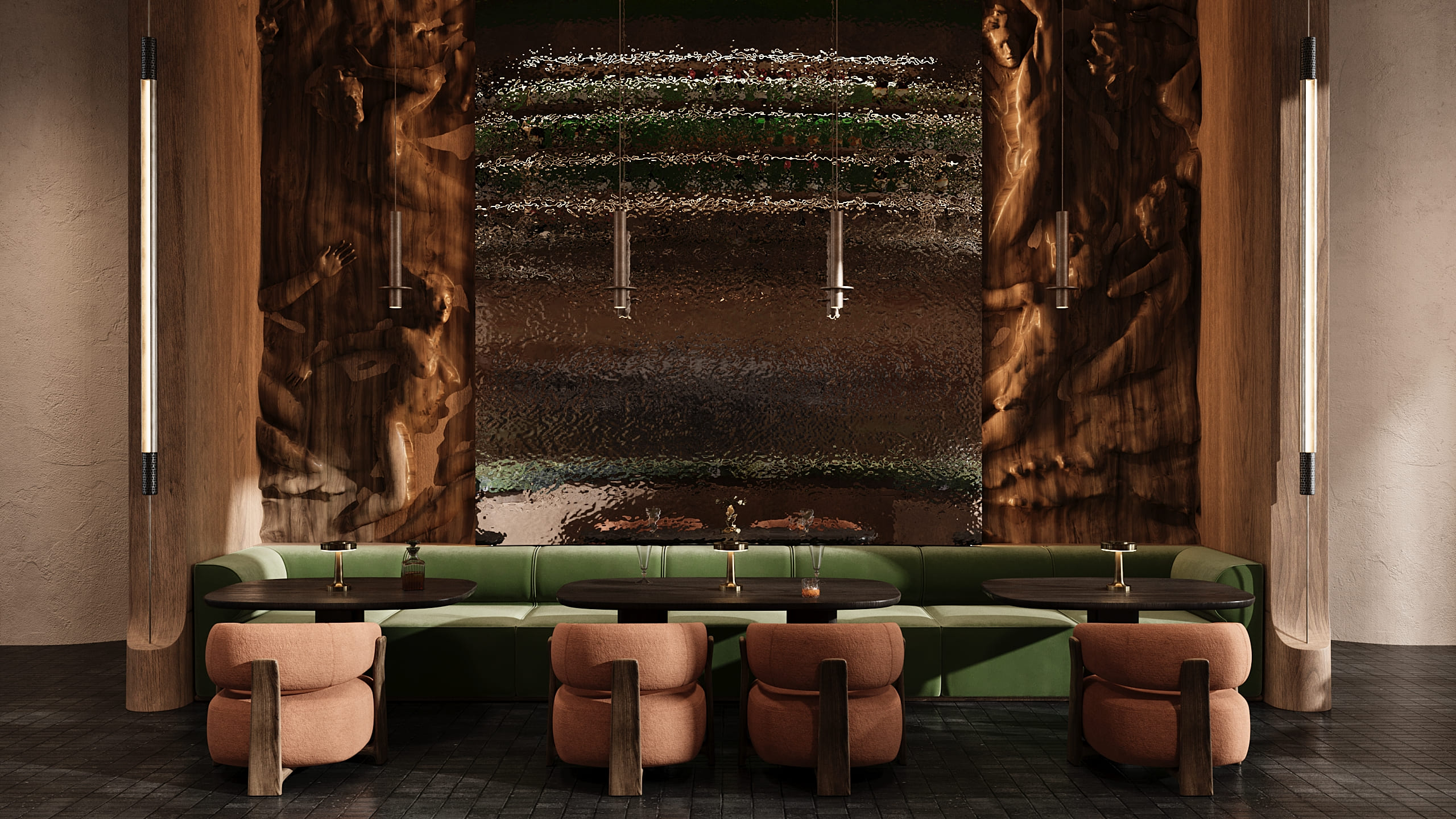
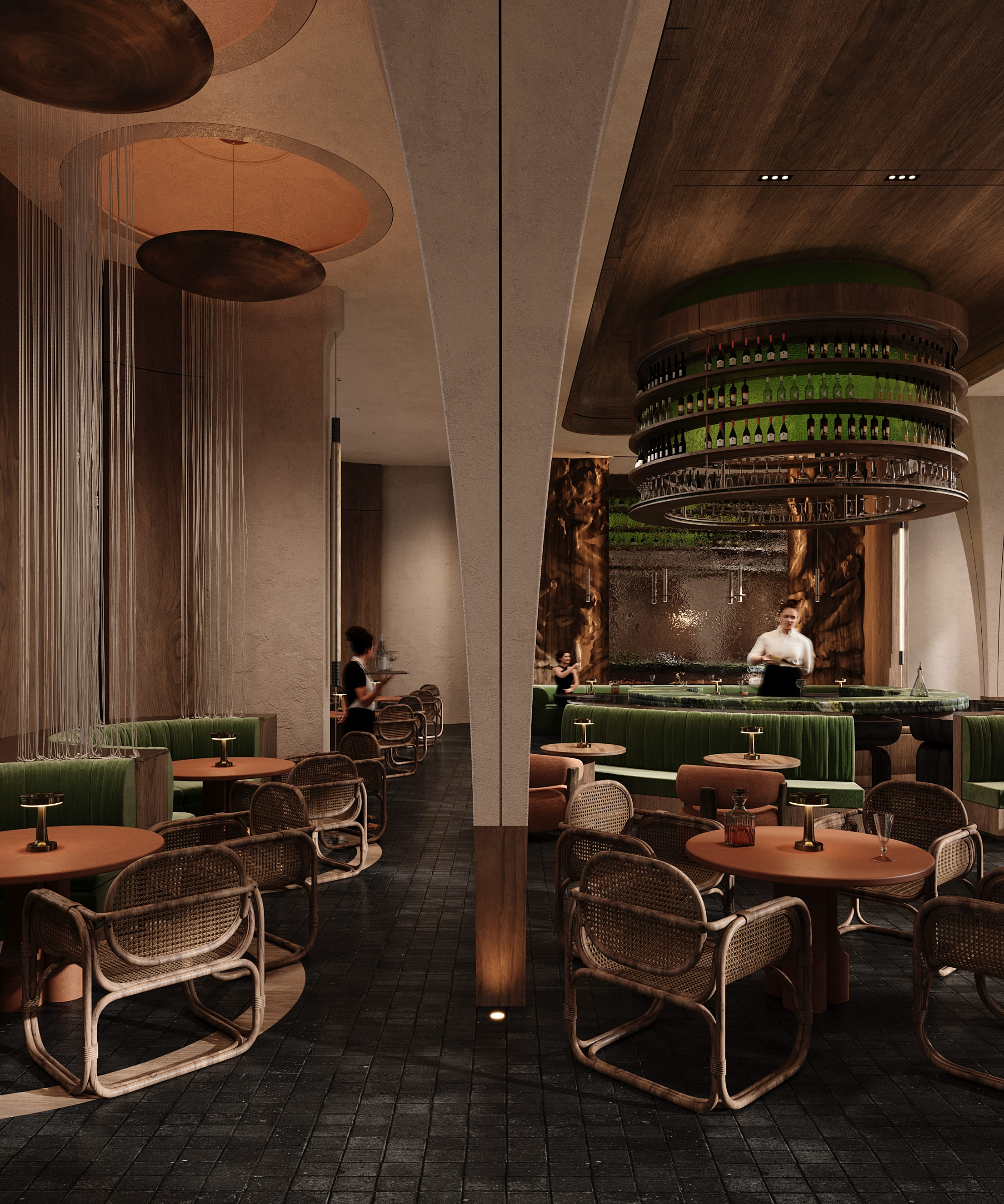
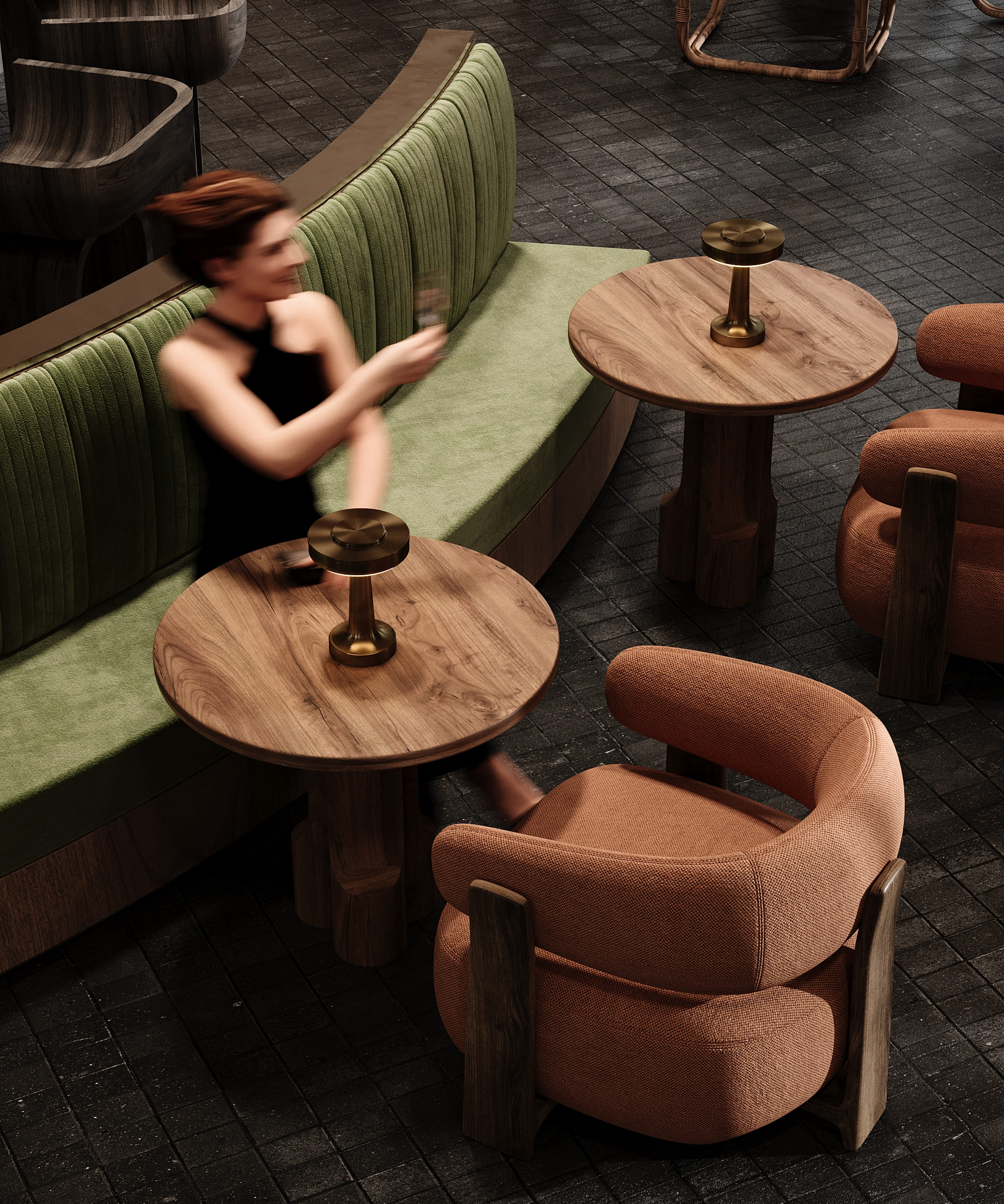
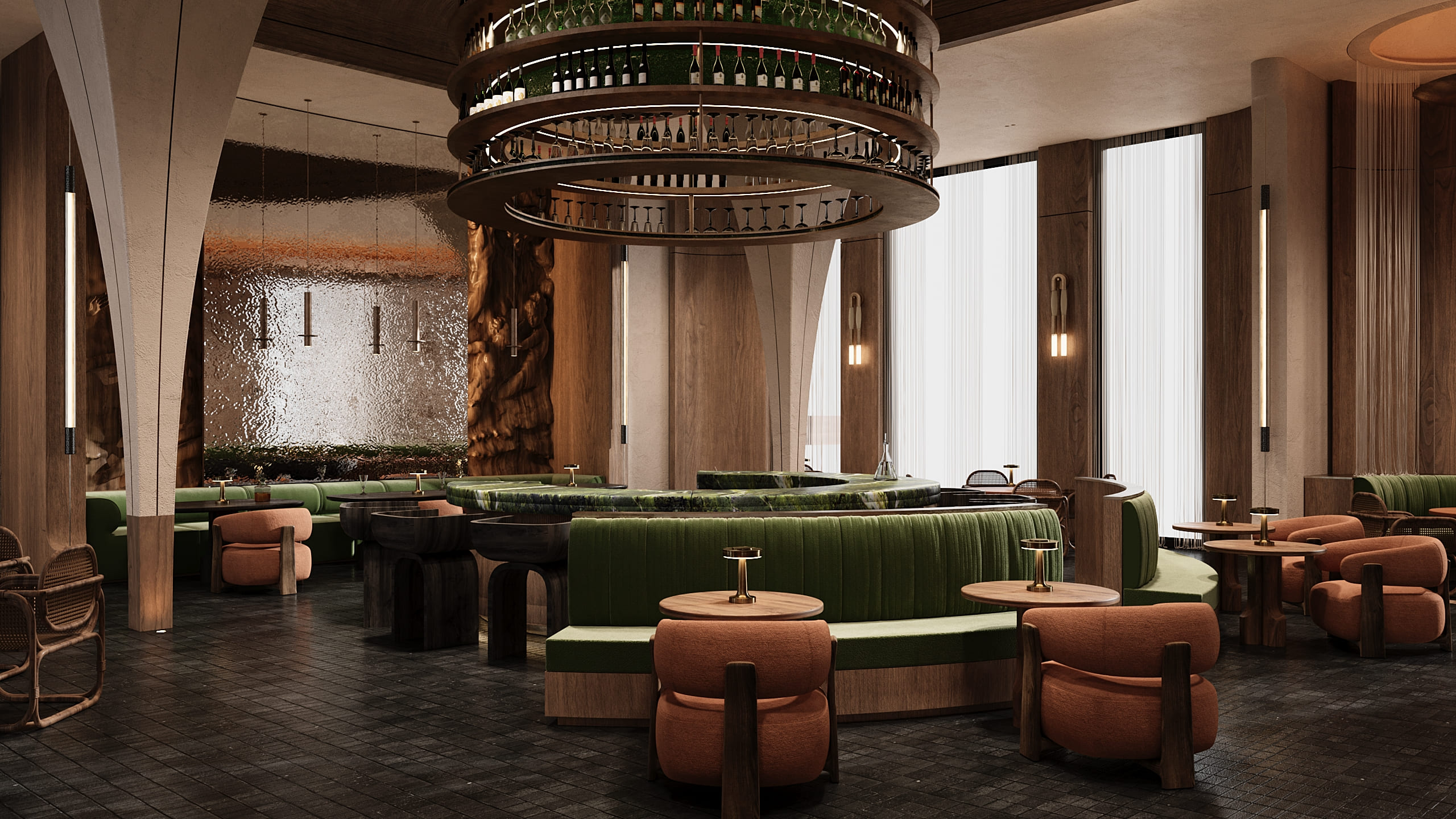
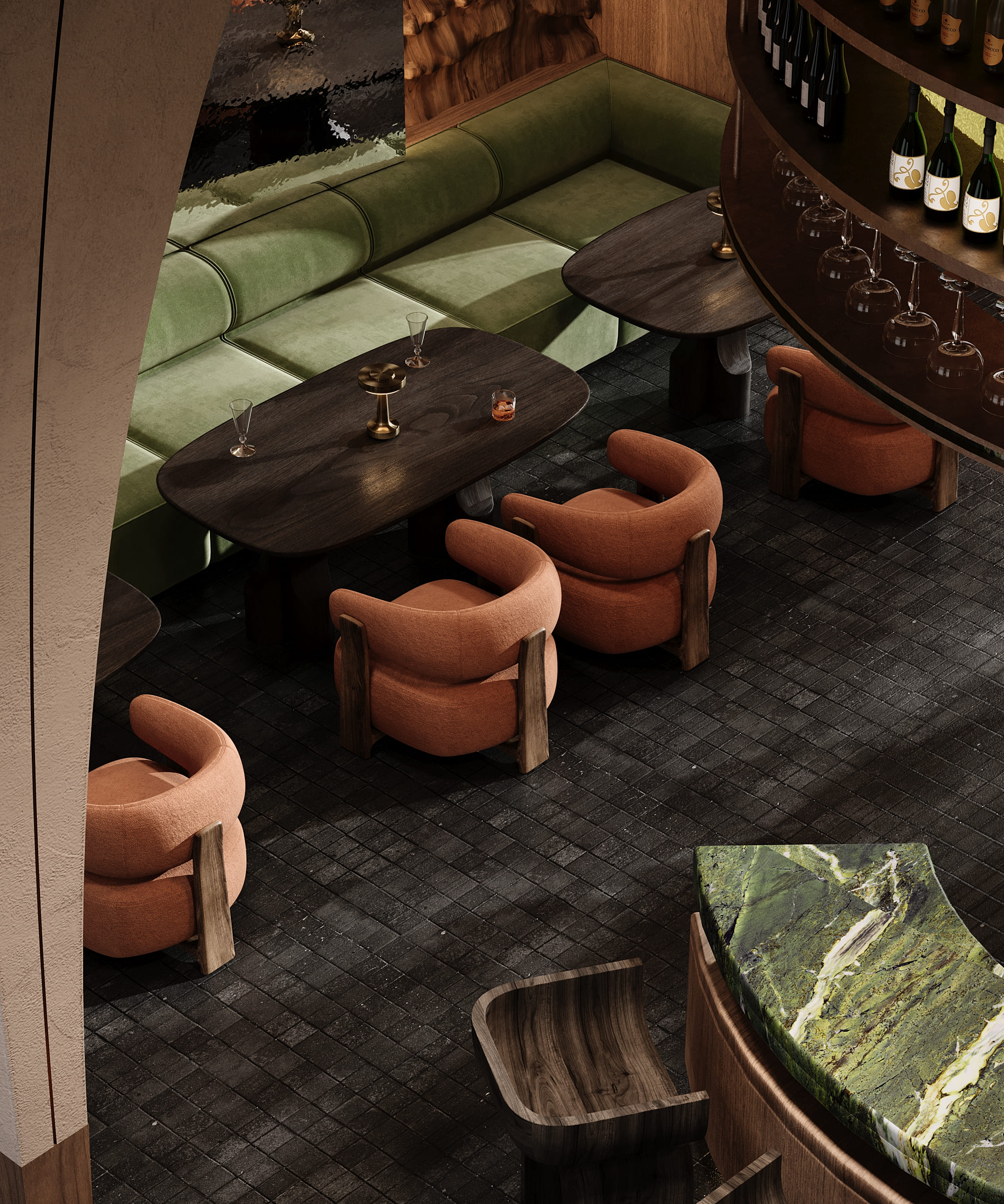
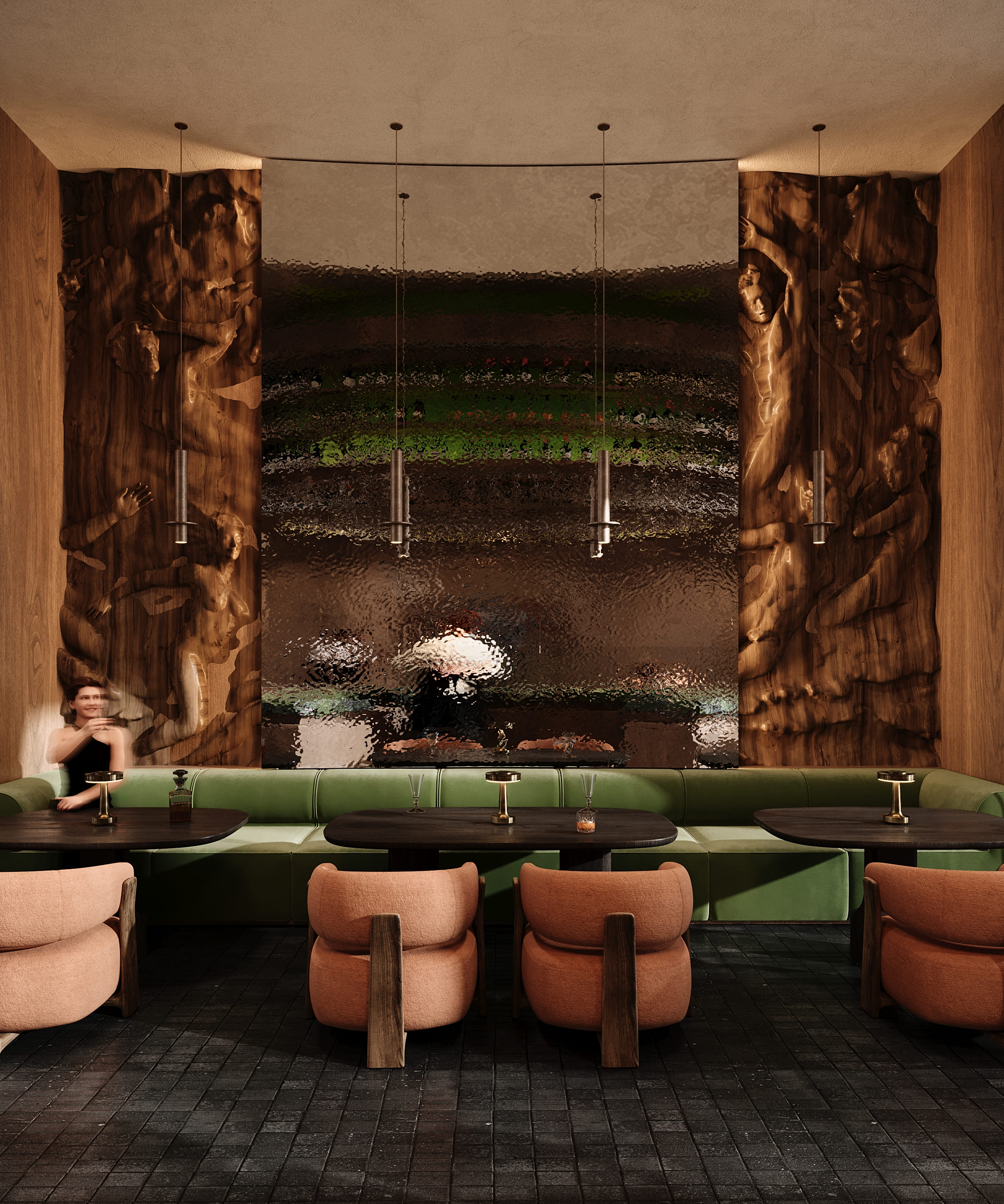
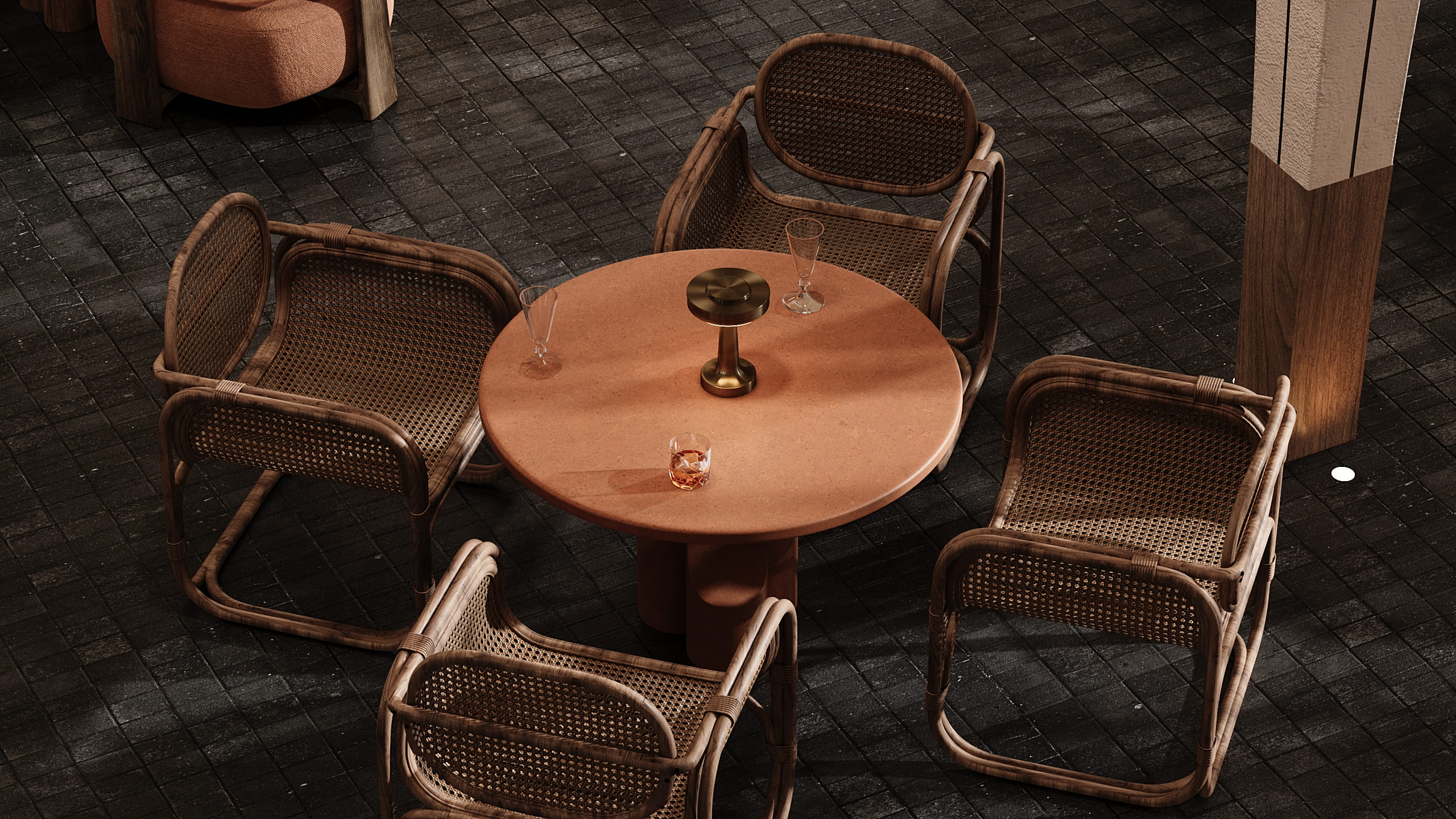
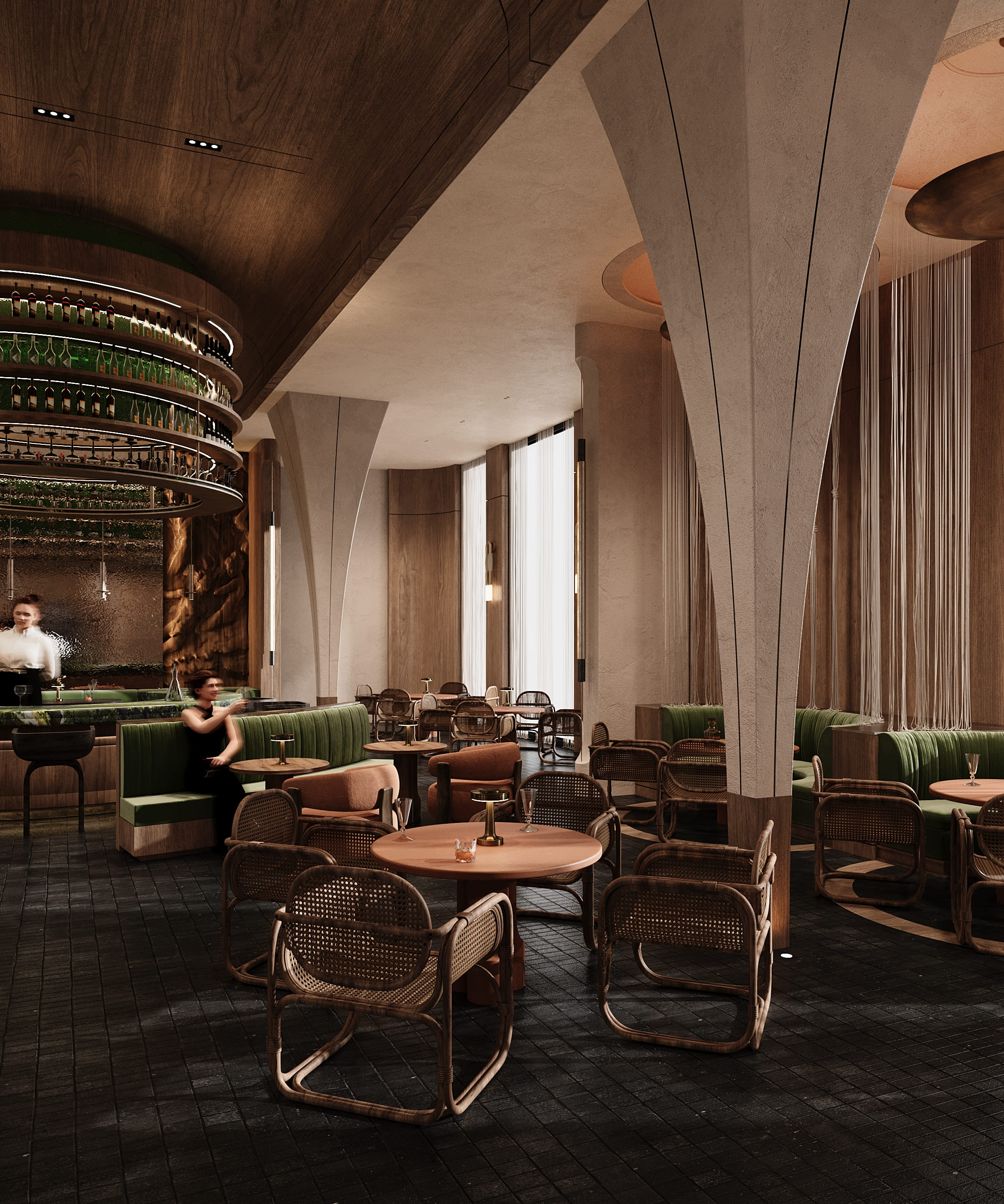
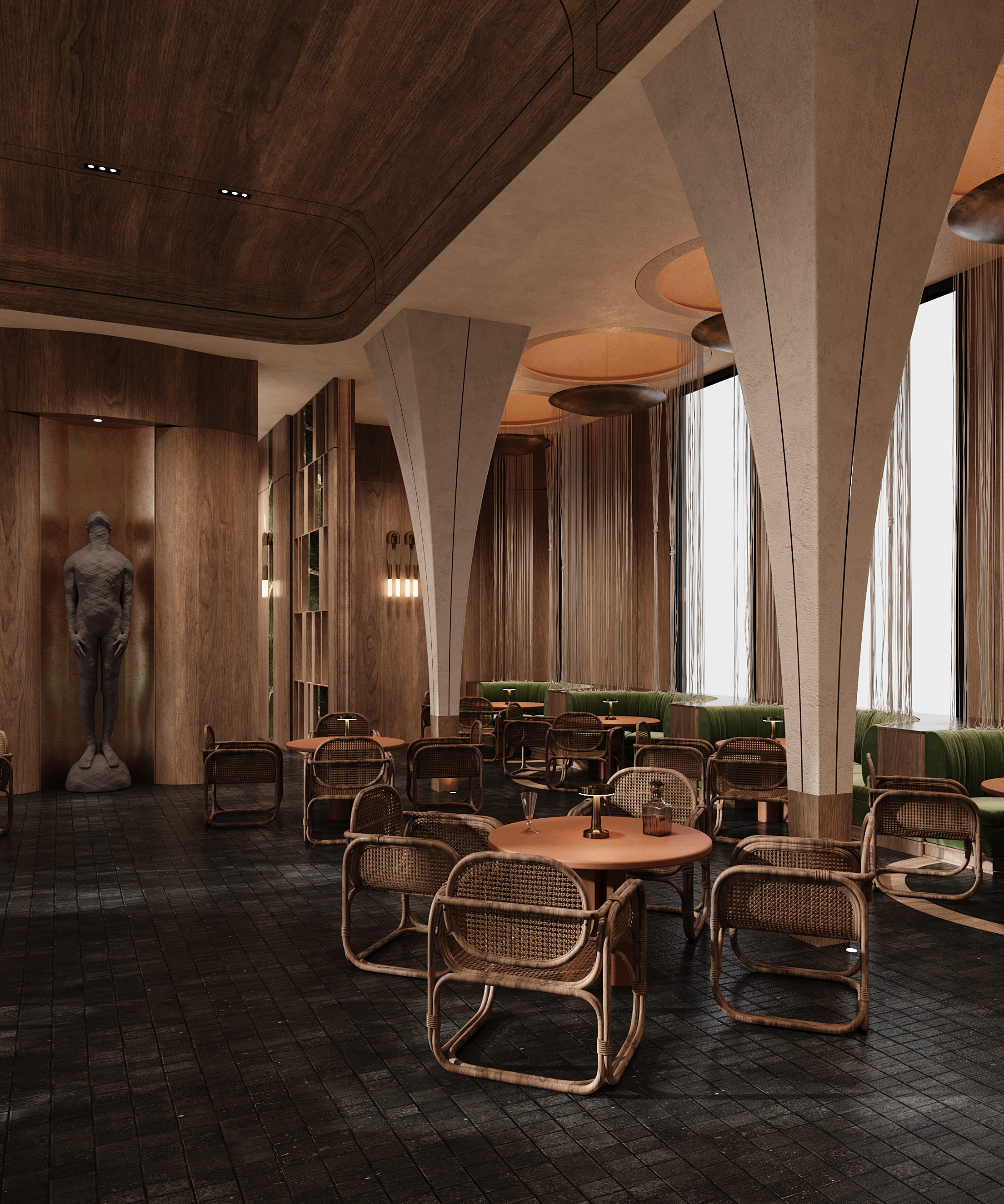
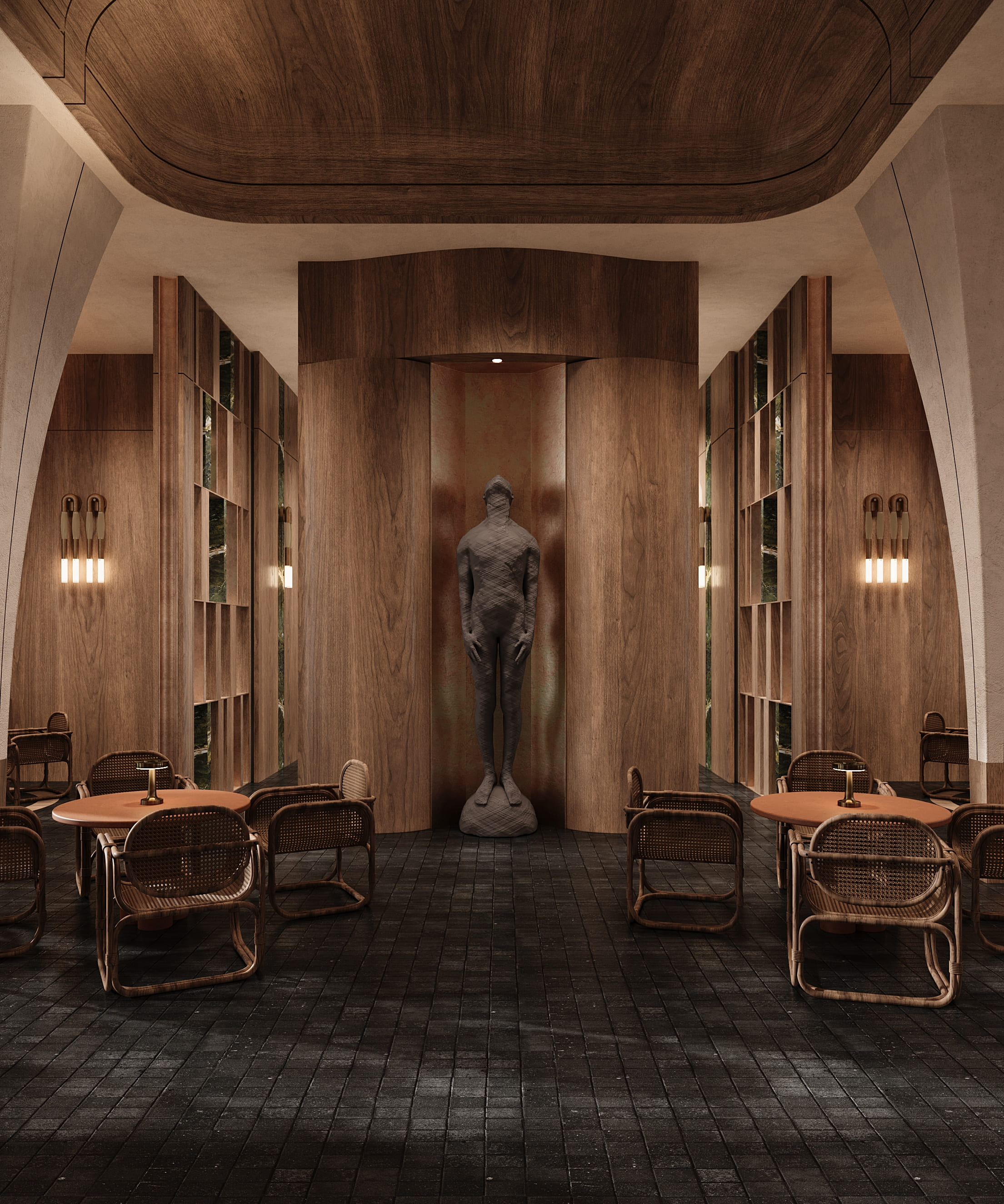
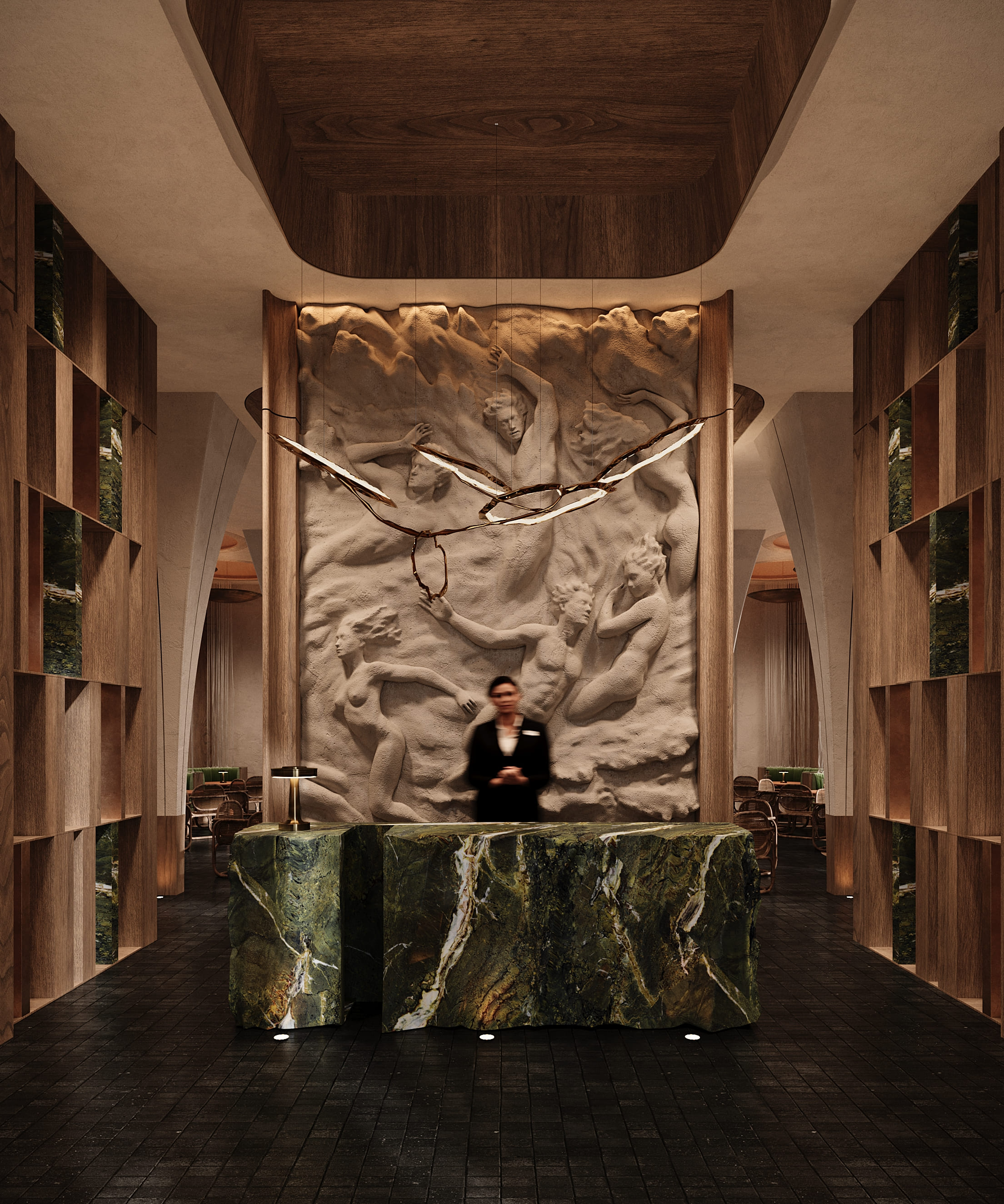
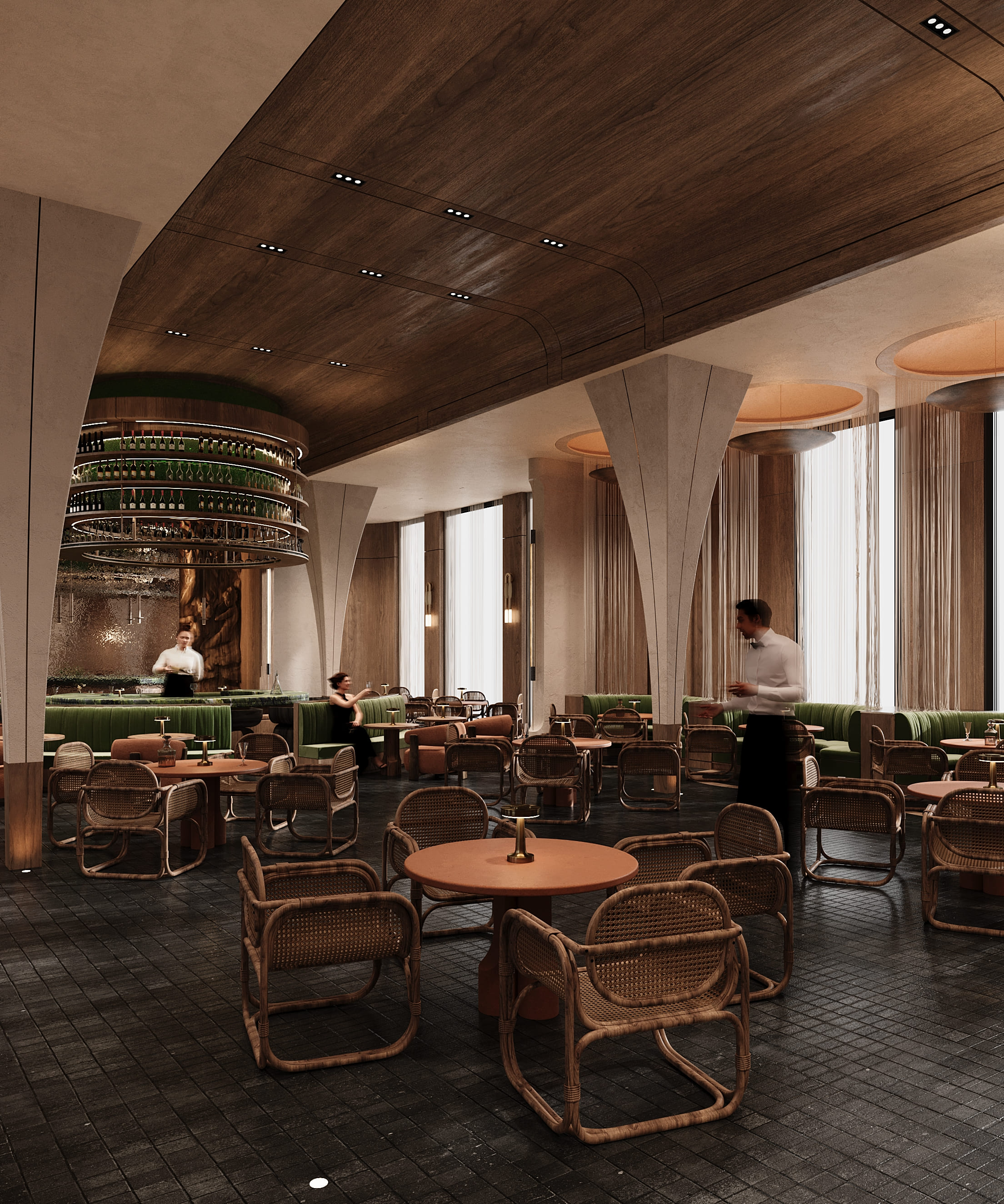
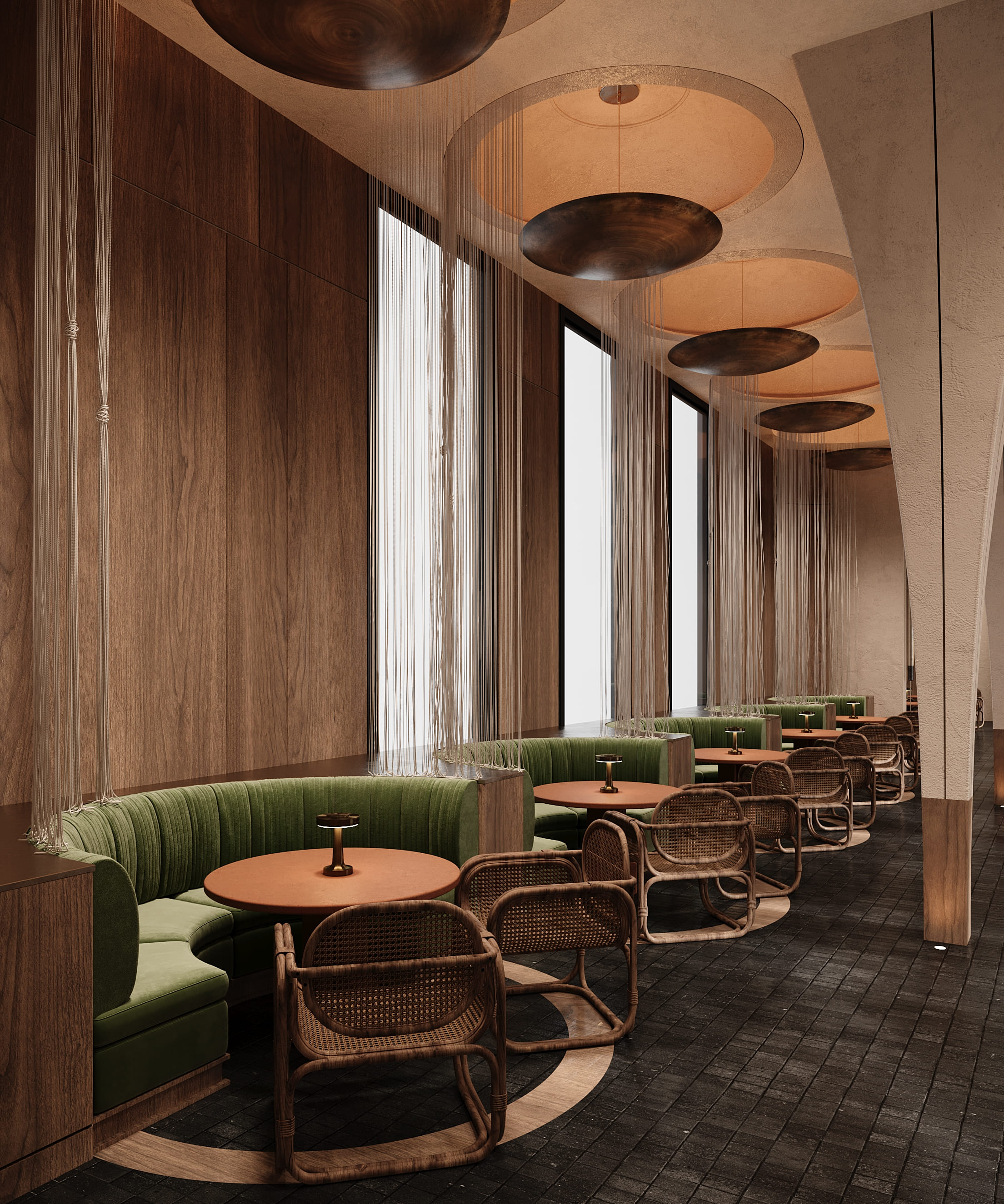
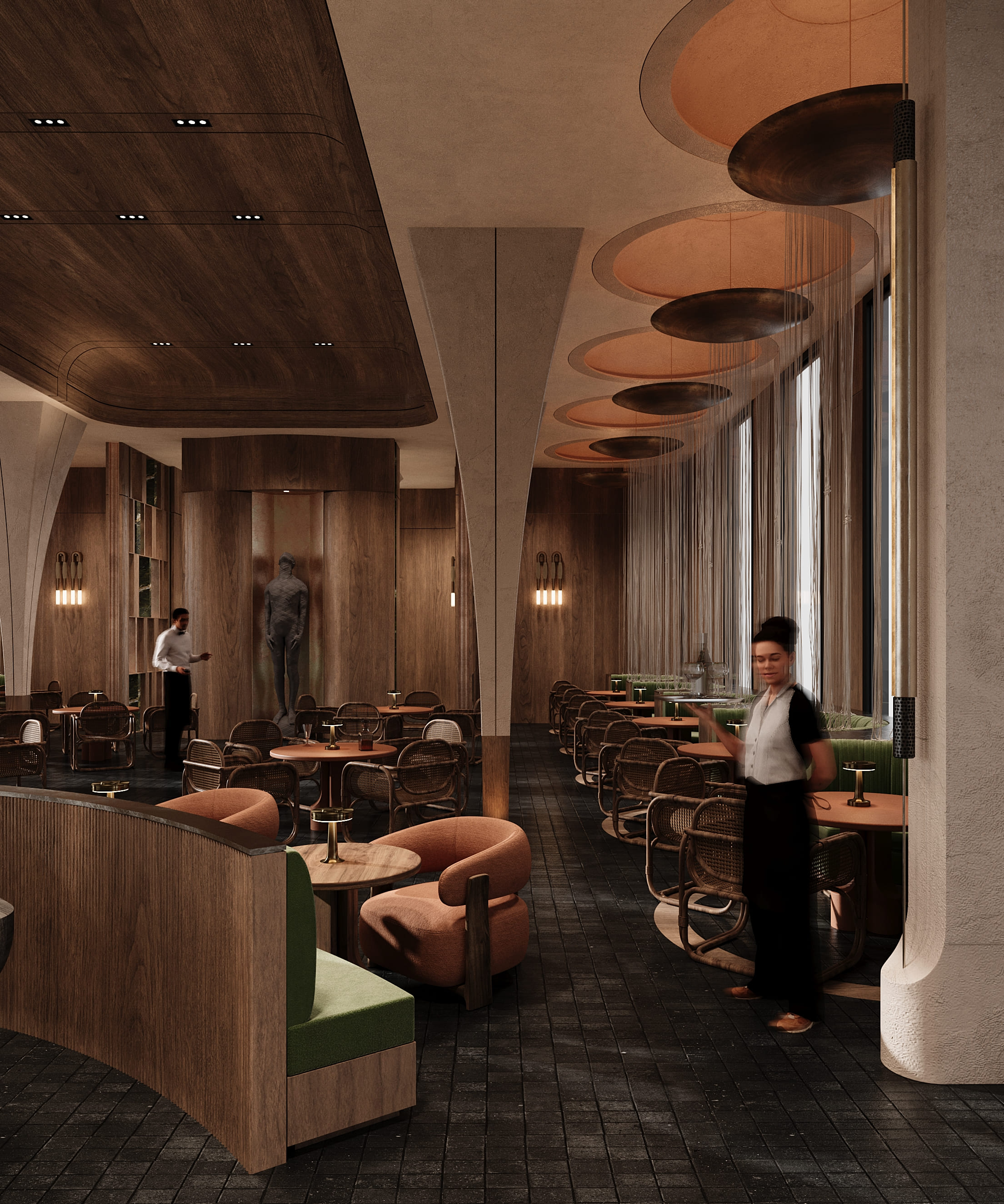
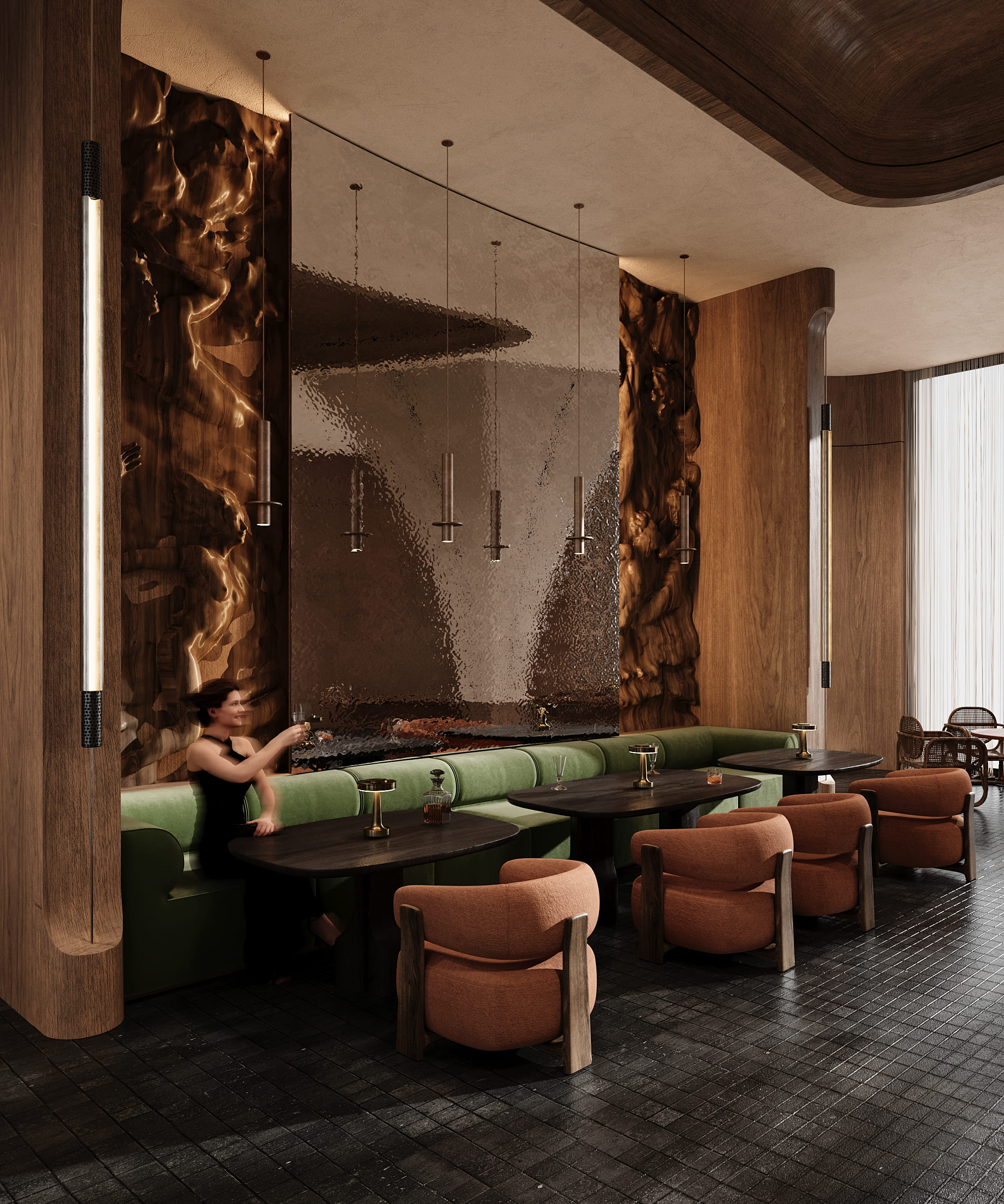
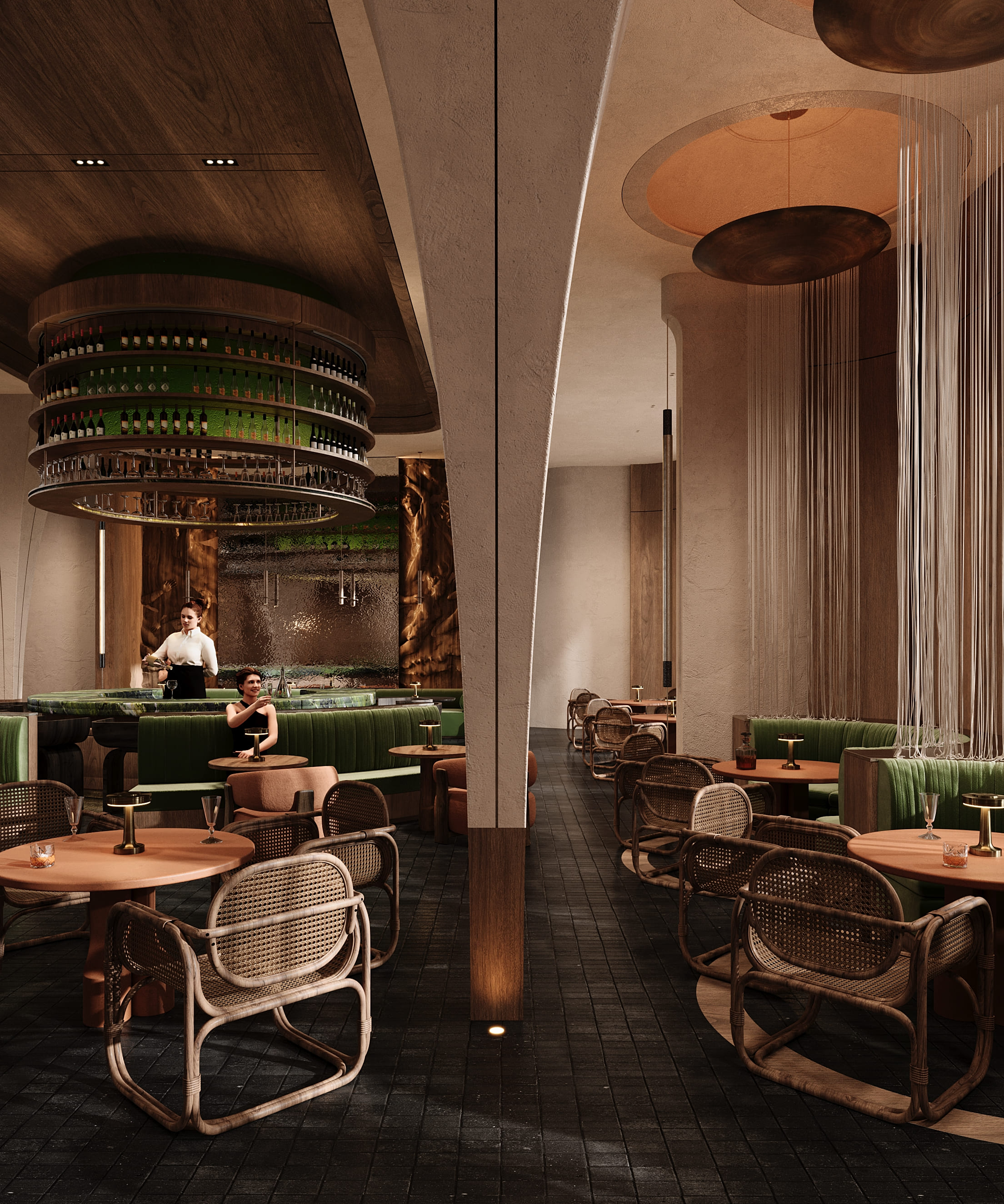
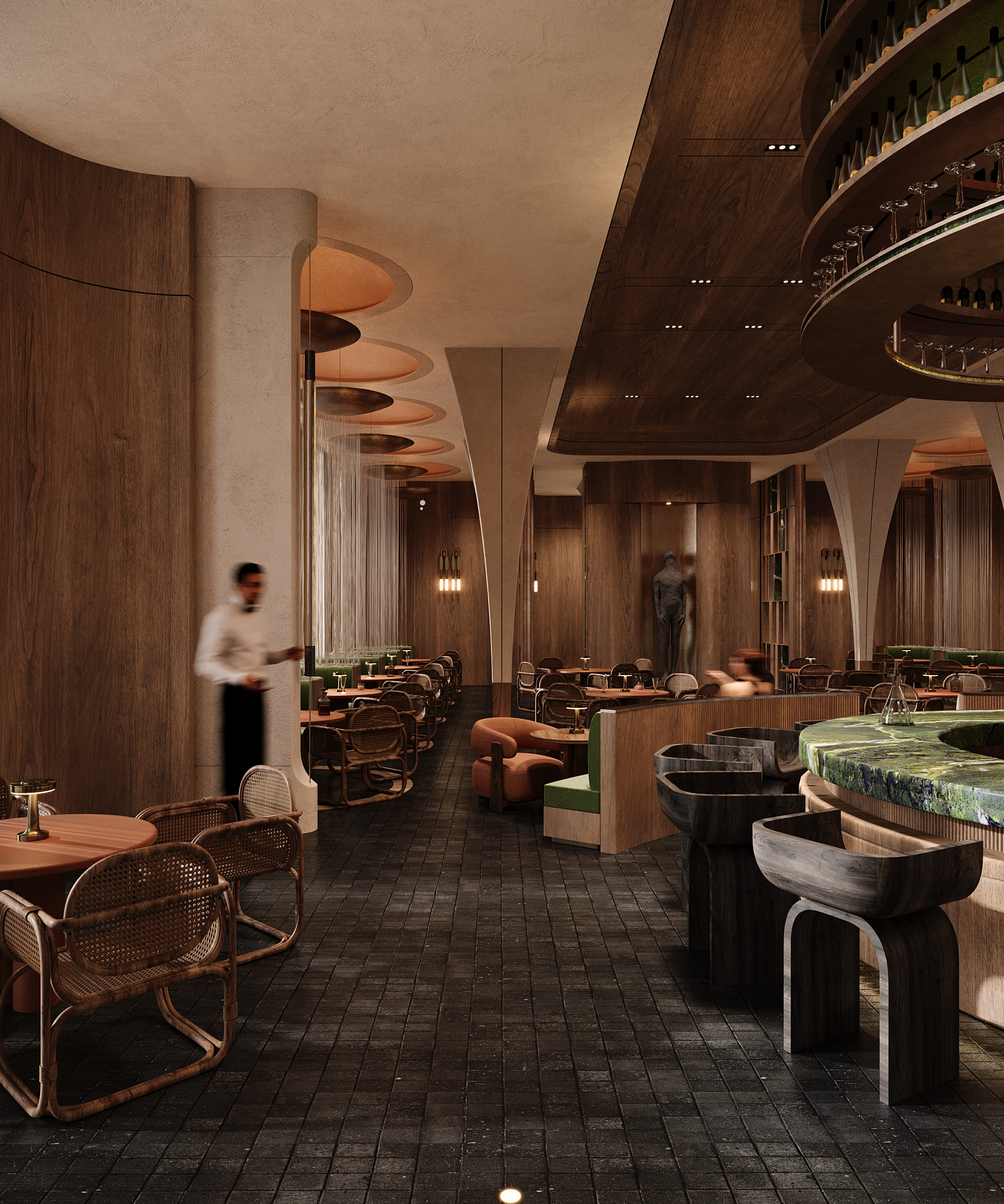
Our scope covered full interior design for the restaurant: guest journey and seating typologies, bar and sommelier stations, private dining, and the choreography between front of house and back-of-house. We developed a layered lighting concept (architectural ambient, accent, and candle-level glow), bespoke furniture and joinery, stone and plaster finishes, artwork placement, tableware palettes, and acoustic strategies to preserve intimacy at every table. The design language balances restraint and richness stone planes, tailored upholstery, and brass details so the room feels quietly confident rather than loud.
Challenges
Fine dining demands intimacy and service efficiency within compact footprints. We had to control acoustics in a hard finish environment, maintain comfortable sightlines across multiple seating heights, and achieve a flattering, dimmable lighting level that keeps plates vivid without glare. Operationally, clear circulation for staff and guests particularly around the pass, bar, and service stations was essential, as were hidden storage volumes that don't interrupt the aesthetic. As design only, we also needed to pre empt construction risks, value engineering pressures, and sourcing variability to protect the concept through handover.
Solutions
We established a master materials matrix (primary stone, secondary stone, metal finishes, fabric performance specs) with exact transitions and edge details to keep the palette coherent and durable. Zoning and furniture groupings tuned privacy high-back banquettes, loose chairs, and corner niches while under-table and wall-wash lighting built a soft envelope around each setting; CRI 90+ light sources and layered dimming preserved color and mood. Acoustic performance was elevated with upholstered panels, dense drapery, and micro-perforated substrates concealed behind stone ribs. Service routes were modeled to minimize cross traffic, with integrated credenzas and waiter stations disguised as millwork. To safeguard delivery, we issued comprehensive documentation: coordinated GA drawings, joinery/shop-drawing guidelines, lighting schedules with aiming notes, finish schedules with alternates, and VE guardrails so any substitutions maintain performance, color temperature, and tactile quality even though we did not execute the build.